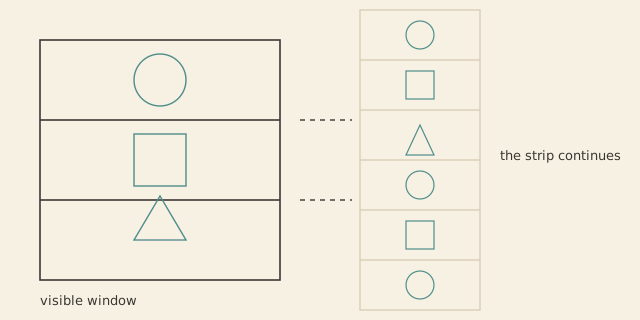
A reel window shows three positions of a strip that is much longer than the window.
The reel you see on screen is a window onto something longer. Three visible positions do not mean three symbols; they mean three of however many are printed on the strip behind them. Almost everything interesting about a machine lives in that hidden length.
It is easy to look at a set of reels and count what is in front of you. Three rows, five columns, fifteen symbols, and the arithmetic seems to be done. That count describes the window, not the machine. Each column is a strip, and the strip carries a sequence of symbols that scrolls past and stops with three of them showing.
The length of that strip and the mix of symbols printed on it are what shape the way a game feels. A strip that carries a great many low-value symbols and one high-value symbol behaves quite differently from a strip carrying an even spread, even when the two look identical while spinning. The window is the same. What is behind it is not.
Volatility is a word about spread, not about generosity. It describes how unevenly results arrive over a stretch of play, and a machine can be described as high or low volatility without that saying anything at all about what it returns.
There are three common ways a machine decides that something has happened on screen. Knowing which one you are looking at changes what counts as a near miss and what is simply noise.
The paytable is usually tucked behind a small button and skipped. It is the only part of a machine that describes itself in writing, and reading it takes about a minute.
A bonus round is a second machine hiding inside the first, usually with different rules. The interesting question is not how to reach one but what changes once you are in it.